Most homeowners searching for a whole house reverse osmosis system are really searching for one thing: bottled water quality at every tap, not just the one under the kitchen sink. In Lock Arbor, water quality can vary widely between city supply and private wells—so here’s how whole home RO actually works, where it struggles, and why Reactive Osmosis (RO2) is the way we install it.
What is a whole house reverse osmosis system?
A whole house reverse osmosis system treats water where it enters the home, at the main line, so every fixture in the house is fed purified water—kitchen, bathrooms, laundry, ice maker and outdoor spigots alike. That is the difference between whole home reverse osmosis and a point-of-use RO unit, which purifies a single faucet and leaves the rest of the house on untreated water. In Lock Arbor, that whole-home approach matters whether you’re on city water or drawing from a private well.
Why traditional whole house RO is hard to live with
A true reverse osmosis membrane produces water slowly and under pressure, so a whole-house RO system has to bank it: a large pressurized storage tank, a booster pump to refill it, and a brine line that sends a significant share of your incoming water to the drain. Run two showers and the dishwasher at once and you can outrun the tank. The equipment footprint, the wasted water, and the pump are three reasons many Lock Arbor homeowners abandon the idea—especially since water quality can vary a lot here between municipal supply and private wells.
How Reactive Osmosis (RO2) is different
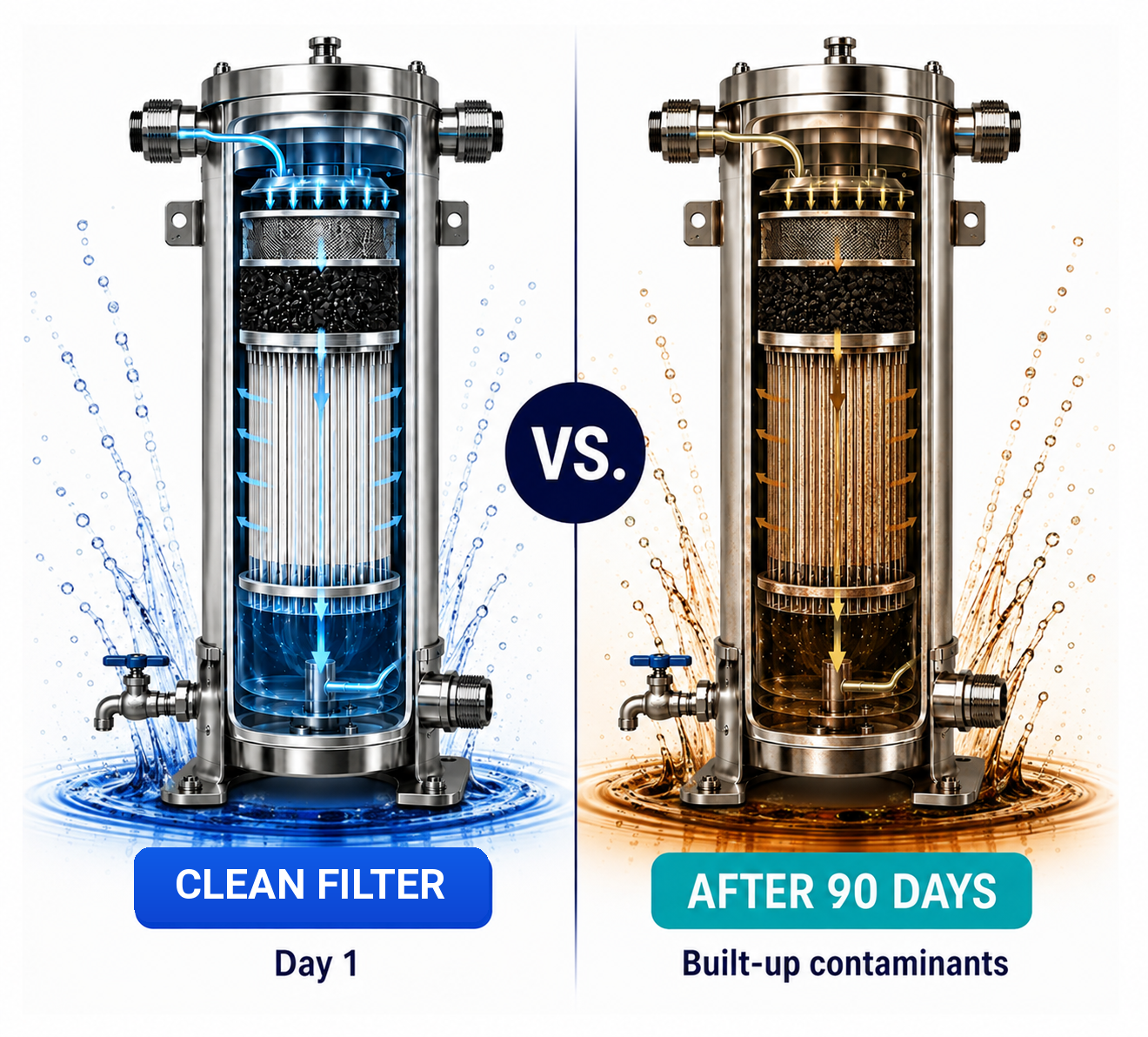
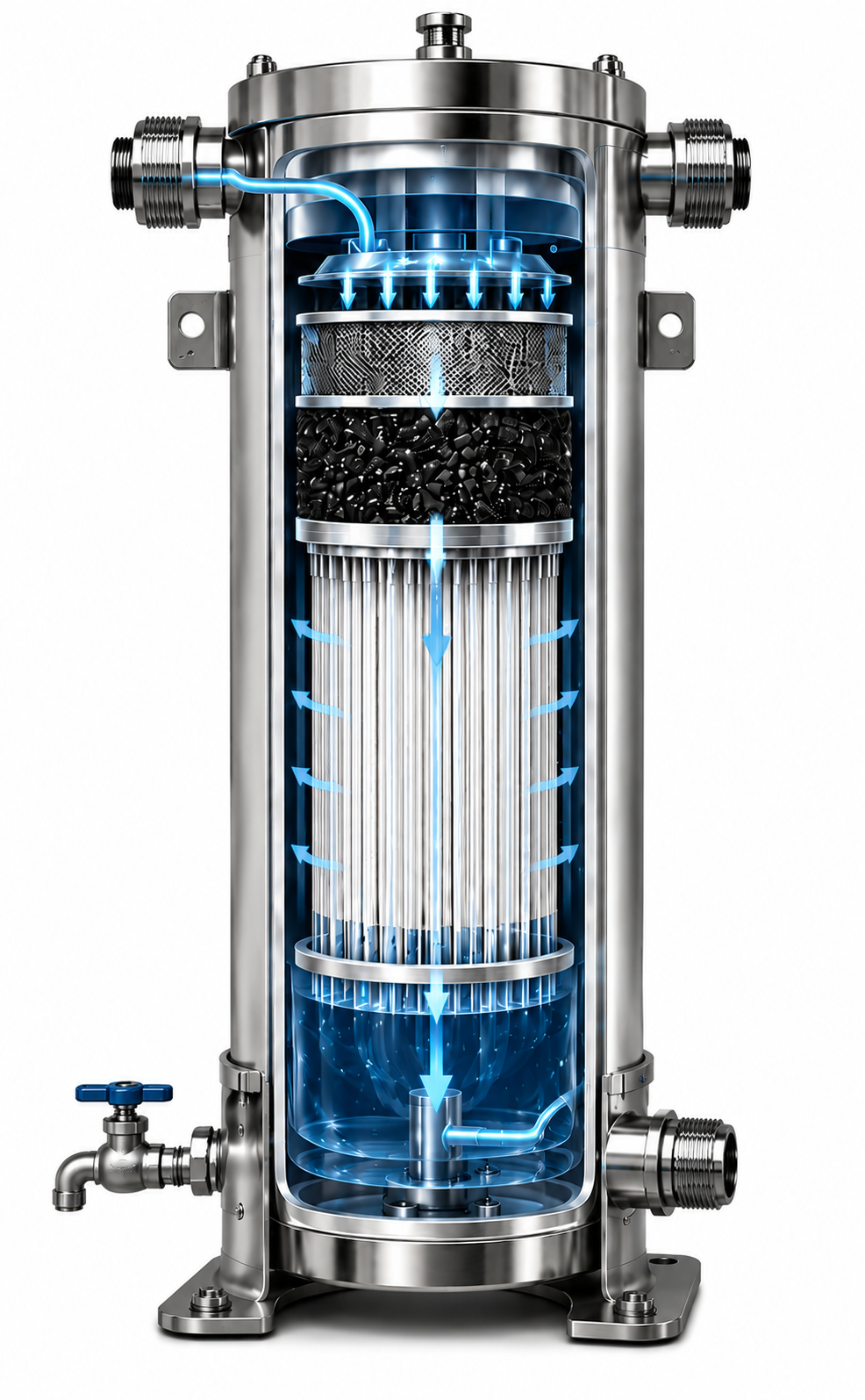
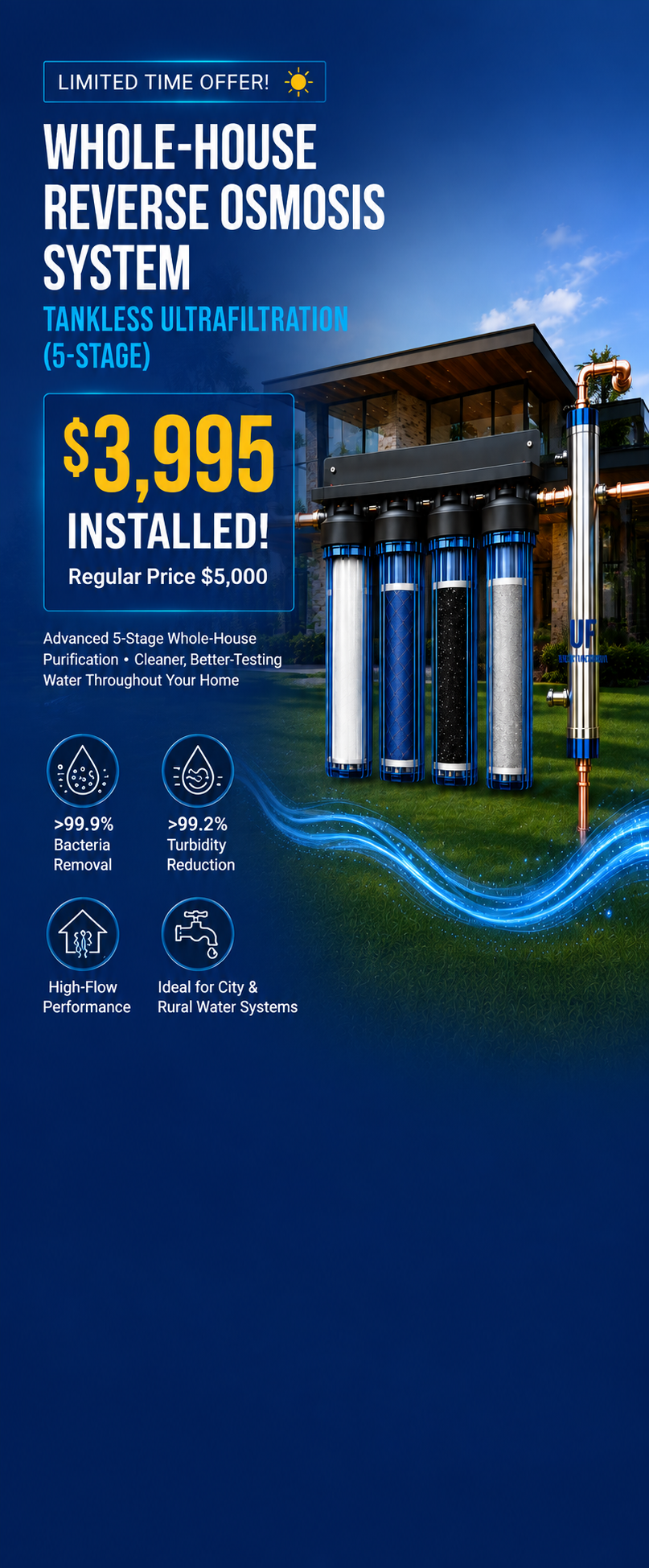
Reactive Osmosis reaches reverse-osmosis-quality water by filtration rather than by pressurized rejection. Multi-stage media—a 5-micron sediment pre-filter, KDF-55 copper-zinc redox alloy, and a 0.5-micron carbon block—handle sediment, chlorine, heavy metals, VOCs, taste, and odor. A hollow-fiber membrane with pores at or under 0.01 microns then blocks bacteria, cysts, colloids, microplastics, and many viruses outright. No storage tank, no booster pump, no brine line, and 15 gallons per minute on demand—ideal for Lock Arbor homes where water quality can vary between municipal supply and private wells, so testing is the best first step.
Does whole house RO remove fluoride, chlorine and heavy metals?
Chlorine, chloramine byproducts, hydrogen sulfide, VOCs, pesticides and dissolved heavy metals such as lead, mercury, nickel and chromium are handled by the KDF-55 and carbon stages. Bacteria, cysts, microplastics, turbidity and fine suspended solids are blocked by the membrane. Dissolved salts and TDS are the honest exception—lowering those takes a true RO membrane, which is the tradeoff you make in exchange for losing the tank, the pump and the brine. Because water quality and hardness can vary widely around Lock Arbor depending on municipal supply vs. a private well, testing is typically the best way to confirm what you’re dealing with.
How much does a whole-house reverse osmosis system cost in Lock Arbor?
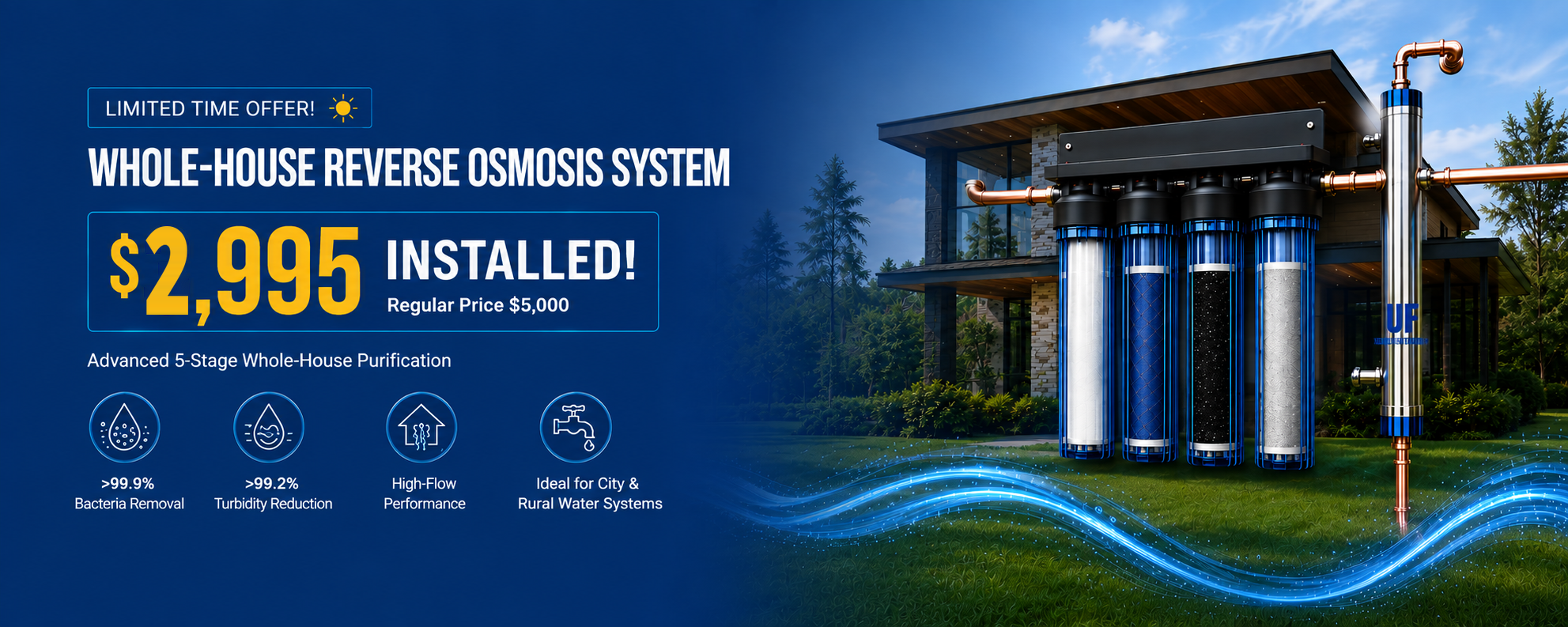
Whole home reverse osmosis systems commonly run several thousand dollars once the tank, pump, plumbing and labor are counted. Our complete whole-house Reactive Osmosis (RO2) system is $2,995 installed - regularly $5,000, so you save $2,005. That price includes the cartridge housings, manifold, membrane vessel, professional installation, a water test and a system check before we leave—so you know exactly what you’re working with in Lock Arbor, whether you’re on municipal water or a private well.
City water or well water in Lock Arbor — and where we install
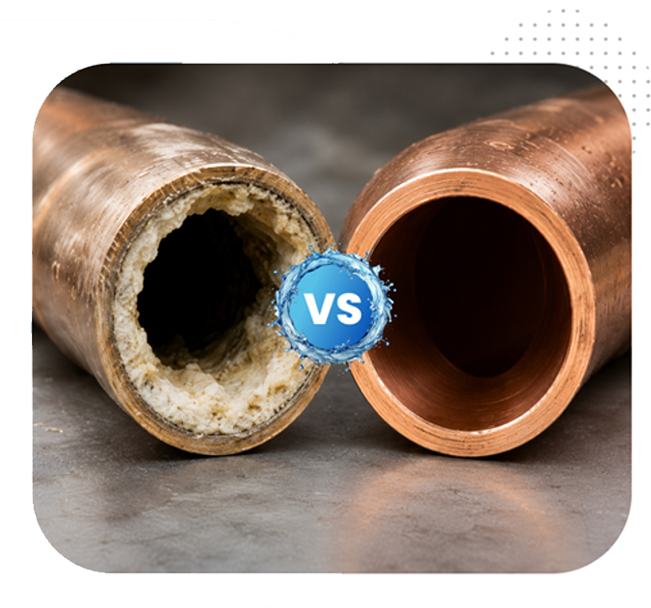
On municipal supplies, the KDF-55 and carbon stages take on chlorine, disinfection byproducts, taste and odor at the main line. On private wells and sediment-prone plumbing, the 5-micron pre-filter and the membrane handle silt, rust, turbidity and biological contamination together. Because water quality can vary widely around Lock Arbor—especially between city water and wells—we typically recommend testing to confirm hardness and contaminants before install.